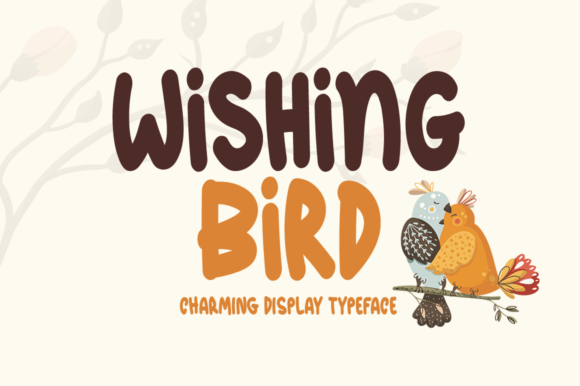
What Is Wishing Bird and How Can It Transform Your Design Projects?
If you're looking for a display font that stands out with elegance and charm, Wishing Bird might just be the perfect choice. This brand-new typeface is crafted to bring a unique personality to your creative work, whether you're designing logos, stationery, or digital headers. With its expressive character set and artistic flair, Wishing Bird offers a fresh perspective on how typography can elevate visual communication.
The Versatility of Wishing Bird in Modern Design
Display fonts like Wishing Bird are designed to capture attention and convey emotion at a glance. Unlike standard text fonts, they’re not meant for long paragraphs but rather for headlines, titles, and short impactful phrases. That’s exactly where Wishing Bird shines. Its distinct letterforms and ornate details make it ideal for use in a wide range of applications including:
- Stationery – from wedding invitations to greeting cards
- Logos – adding a memorable touch to brand identities
- T-shirt designs – creating eye-catching graphic tees
- Flyers and posters – enhancing visual appeal with bold statements
- Photo frames and image sliders – complementing visuals with stylish text
- Music covers and book titles – giving artistic projects a signature look
- Websites and headers – making your site more engaging and modern
This kind of versatility makes Wishing Bird a go-to option for designers who want their work to feel both personal and professional. Whether you're working on a small project or a large-scale campaign, the font adapts well to various styles and formats.
Why Display Fonts Matter in Visual Communication
In today's design landscape, typography plays a crucial role in storytelling and branding. A well-chosen display font doesn’t just add style — it conveys tone, sets the mood, and helps establish an emotional connection with the audience. Wishing Bird was created with these principles in mind, offering a balance between artistry and usability.
Designers often face the challenge of finding a font that aligns with their vision while maintaining readability. Wishing Bird solves this by providing a legible yet decorative aesthetic that works across both print and digital media. The font’s subtle variations in stroke weight and curvature allow for a dynamic feel without overwhelming the viewer.
Key Features of Wishing Bird
When selecting a new font for your toolkit, it's important to consider the features that will support your workflow and enhance your output. Here’s what makes Wishing Bird stand out:
- High-quality glyphs – Each character is meticulously designed for clarity and visual harmony.
- Multiple weights and styles – Whether you need a bolder statement or a lighter touch, Wishing Bird delivers flexibility.
- Cross-platform compatibility – Works seamlessly in Adobe Creative Suite, Microsoft Office, Google Docs, and web development tools.
- Unicode support – Includes extended language characters and special symbols for international use.
- Customizable ligatures and alternates – Allows for creative tweaking to match your design intent.
These characteristics make Wishing Bird not only visually appealing but also highly functional for diverse design needs. You can confidently use it in both high-resolution print jobs and responsive web layouts without compromising quality.
How to Use Wishing Bird Effectively
To get the most out of Wishing Bird, consider the following tips:
- Use it as a headline font to draw immediate attention.
- Pair it with a clean sans-serif or minimalist script for contrast in body text or supporting elements.
- Experiment with spacing and alignment to create unique typographic compositions.
- Apply color gradients or textures in digital designs to highlight the font's ornamental nature.
- Ensure proper sizing and contrast when using it in logos or small print areas.
For example, imagine designing a boutique hotel's promotional poster. Using Wishing Bird for the headline “Welcome to Serenity” could evoke a sense of warmth and sophistication, while a simpler font handles the rest of the information. This layered approach helps guide the viewer's focus and enhances the overall message.
Real-World Applications of Wishing Bird
Let’s explore some practical scenarios where Wishing Bird can make a difference:
Logo Design
Logos are the face of a brand, and choosing the right font is essential. Wishing Bird brings a handcrafted, almost whimsical feel to logos, especially for brands in the fashion, beauty, or lifestyle industries. Its delicate curves and intricate details give the impression of exclusivity and creativity. Just think of a luxury skincare line using Wishing Bird in their logo — it immediately communicates elegance and care.
Wedding Stationery
Weddings demand a blend of romance and class, which is precisely what Wishing Bird offers. From save-the-dates to thank-you notes, this font adds a personal touch that paper-based designs often lack. Its soft, flowing strokes make it ideal for handwritten-style calligraphy effects, even if you're not a calligrapher yourself.
Graphic T-Shirts
Graphic tees are all about impact. A strong visual element paired with the right typography can turn a simple shirt into a statement piece. Wishing Bird’s bold and distinctive characters are perfect for short slogans or names, especially when used in conjunction with background patterns or illustrations. The font’s adaptability means it can be stylized further with shadows, outlines, or color treatments to fit the theme of the garment.
Digital Headers and Website Banners
On websites, first impressions matter. Wishing Bird can help you craft headers that reflect your brand’s identity while standing out from generic sans-serif options. When using it in digital environments, ensure that it's sized appropriately and has enough contrast against the background to maintain legibility on different screens and devices.
Print Materials Like Flyers and Posters
Whether you're promoting a local event or launching a product, Wishing Bird can inject energy into your flyer or poster design. Its ability to scale well and retain detail makes it suitable for both large-format printing and smaller handouts. Pair it with high-quality imagery and a cohesive color scheme for maximum effect.
Considerations Before Choosing Wishing Bird
While Wishing Bird is incredibly versatile, there are a few things to keep in mind before integrating it into your projects:
- Legibility in context – Because it's a display font, avoid using it for long blocks of text.
- Consistency in branding – Ensure that the font complements your brand's overall visual language.
- Technical requirements – Confirm that your software supports OpenType features like ligatures or stylistic alternates.
- Printing vs. Digital – Test the font in both mediums to see how it performs under different conditions.
- Color and background interactions – Choose colors and backgrounds that highlight the font's intricacies without causing visual clutter.
Additionally, since it’s a newer font, you may want to check its availability across platforms and ensure that it meets any licensing requirements if you're using it for commercial purposes. Always preview it in real-world settings before finalizing your design.
Comparing Wishing Bird to Other Display Fonts
There are many display fonts available, each with its own flavor and purpose. Wishing Bird holds its ground by combining the best aspects of traditional calligraphy and contemporary design trends. Compared to similar fonts like Great Vibes or Allura, Wishing Bird offers more structural variety and cleaner integration into digital workflows.
Its subtle imperfections and natural flow mimic hand-lettered scripts, making it feel more organic and less machine-made. Yet unlike many hand-drawn fonts, Wishing Bird maintains a level of professionalism that’s suitable for business and branding contexts. This dual nature gives it broad appeal and adaptability.
Adopting Wishing Bird Into Your Workflow
Integrating a new font into your design process can be as simple or complex as needed. Here’s how you can start using Wishing Bird effectively:
- Download and install the font on your system or via a font manager.
- Explore the different styles and weights to understand how they vary in tone and formality.
- Create sample mockups in your preferred design software to test how it looks with other elements.
- Review any licensing terms to ensure compliance with your project’s goals.
- Share your results with clients or stakeholders to gauge feedback and adjust accordingly.
Many designers prefer to store their favorite fonts in cloud-based libraries so they can access them from anywhere. If you're using Figma, Canva, or Adobe XD, check if Wishing Bird is available through those platforms or upload it manually for full control.
Wishing Bird in Web Development
Web designers often rely on display fonts to create a strong first impression. To implement Wishing Bird on a website, you’ll typically need to host the font file (OTF or TTF) or use a web font service like Google Fonts or Adobe Fonts. Once integrated, apply it to headers, buttons, or navigation menus using CSS.
By embedding Wishing Bird correctly, you can ensure fast loading times and cross-browser compatibility. Also, consider using fallback fonts in case the primary font fails to load, keeping your design consistent across devices.
Final Thoughts on Wishing Bird
Typography is more than just text — it's an integral part of the visual experience. Wishing Bird brings a fresh and expressive voice to your designs, helping you stand out in a crowded market. Whether you're crafting a logo, a t-shirt graphic, or a digital header, this font has the potential to transform your work from ordinary to extraordinary.
As with any design tool, the key is knowing how and when to use it. Wishing Bird is best suited for short-form content and should always serve the message rather than overshadow it. With thoughtful application, it can become one of your most valuable assets in the design world.