Rockfull: A Strategic Choice for Modern, Urban Design Projects
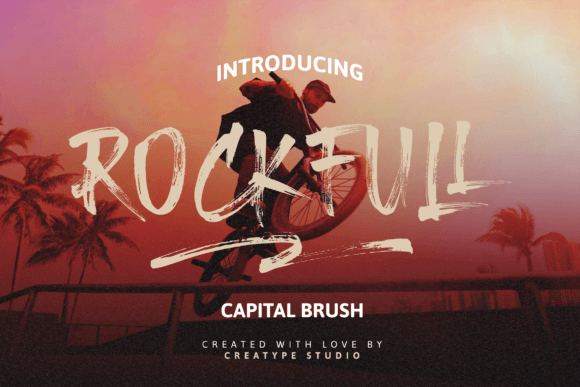
In today’s design landscape, the right typography can make a world of difference. Rockfull is a hand-brushed typeface that brings a unique blend of urban flair and modern elegance to your creative work. Designed with intention and crafted to evoke a sense of fun and authenticity, it offers more than just visual appeal—it supports strategic decision-making in branding, marketing, and content creation.
What Makes Rockfull Unique?
Rockfull stands out because of its natural hand-brushed appearance. Unlike rigid or overly stylized fonts, this one feels alive on the page, giving your designs an organic, expressive quality. It's ideal for those who want to infuse their projects with personality without sacrificing professionalism. The font’s PUA encoding ensures that all glyphs and swashes are accessible, making it versatile for both digital and print use.
A Font That Reflects Authenticity
Handwritten fonts often come across as either too casual or too gimmicky. Rockfull avoids these pitfalls by offering a balanced look—modern enough for contemporary audiences yet warm and approachable. This duality makes it especially effective for brands aiming to connect emotionally with their audience while maintaining a polished image.
Strategic Use in Branding and Marketing
Choosing the right font is part of brand positioning. Rockfull can be strategically used to align with brand values such as creativity, innovation, and authenticity. For instance, if you're launching a new line of streetwear or artisanal products, Rockfull could help communicate the brand’s identity in a way that resonates with target demographics.
- Logo Design: Rockfull adds character to logos, especially when paired with minimalist layouts or bold imagery.
- Social Media Posts: Its playful yet professional tone works well for engaging captions and headers.
- Product Packaging: The font’s texture enhances product labels, helping them stand out on shelves or online listings.
Aligning Typography with Audience Perception
Fonts influence how people perceive a brand. Rockfull, with its urban undertones, appeals to audiences seeking originality and a touch of rebellion. Marketers and entrepreneurs should consider whether this aesthetic aligns with their target market. If yes, it can become a powerful tool in reinforcing brand messaging through consistent visual language.
Planning Your Typographic Strategy with Rockfull
Before integrating Rockfull into any project, it's essential to plan its usage thoughtfully. Consider the following steps to ensure alignment with your overall design and communication goals:
- Evaluate Context: Does the project require a serious tone, or is there room for a more expressive style? Rockfull thrives in contexts where creativity and energy are valued.
- Define Purpose: Will it be used for headlines, body text, or decorative elements? Understanding the role helps determine its placement and pairing.
- Test Pairings: Combine Rockfull with complementary fonts like clean sans-serifs or elegant serifs to balance the design and guide the viewer’s eye effectively.
Use Cases Where Rockfull Excels
Rockfull is particularly useful in the following scenarios:
- Wedding invitations that aim to feel personal and stylish at once.
- Advertising campaigns targeting younger, trend-conscious audiences.
- Stationery and label designs for small businesses looking to differentiate themselves visually.
- Watermarks or photography overlays where subtle texture adds depth without distracting from the main content.
How to Approach Rockfull Creatively
Using Rockfull intentionally requires a clear understanding of its characteristics. Because it’s a hand-brushed typeface, it can easily become overwhelming if overused. Here’s how to harness its potential without losing control of your design:
- Limit its use to key typographic elements like titles or taglines.
- Ensure legibility by using appropriate sizes and spacing.
- Pair it with high-contrast colors or backgrounds to enhance readability and impact.
For example, a coffee shop might use Rockfull in their logo and menu headers to suggest a casual, artisanal vibe. Meanwhile, body copy would stick to a simpler, easy-to-read font to maintain clarity and usability.
Balancing Creativity and Functionality
While Rockfull is great for adding a human touch, it's not always suitable for every part of a design. Overusing it in body text can reduce readability, especially in longer formats. Instead, use it to highlight key messages, call-to-action buttons, or brand slogans. This approach ensures that your message remains strong and your design stays functional.
Decision-Making Guidance for Designers and Marketers
When choosing Rockfull, consider the following questions to ensure it serves your strategic objectives:
- Does the font reflect our brand’s voice and values?
- Will it perform well across different platforms and media (print, web, mobile)?
- Is it culturally appropriate for our target audience?
- Can we maintain consistency in usage without diluting its impact?
These questions help prevent impulsive design choices and encourage a more intentional application of Rockfull. Remember, typography isn’t just about aesthetics—it’s about communication. Every choice should support the message you want to convey.
Risks of Using Rockfull Without Clear Goals
One risk of using Rockfull is relying on it without a defined purpose. If applied randomly, it may clash with other design elements or confuse the viewer. For example, using it in a corporate report might undermine the document’s seriousness, leading to misperceptions about credibility and professionalism.
To avoid this, define clear typographic rules before starting a project. Know when and where to use Rockfull, and how it fits within your broader visual strategy. This planning helps ensure that the font contributes positively rather than detracts from your intended outcome.
Long-Term Value of Intentional Typography
Typography plays a crucial role in long-term brand recognition. By using Rockfull consistently across various touchpoints—from website headers to packaging—you create a cohesive visual identity that customers begin to associate with your brand. This association builds trust and familiarity, which are vital for customer retention and loyalty.
Moreover, Rockfull’s adaptability means it can grow with your brand. Whether you’re evolving from a startup to a mature business or shifting your creative direction, the font can support your journey with minimal rebranding effort.
Practical Examples of Long-Term Use
Consider a boutique clothing brand that uses Rockfull in their initial branding for a fresh, youthful look. As they expand their product line to include lifestyle accessories, the same font continues to serve as a unifying element. This continuity reinforces brand identity and reduces cognitive load for consumers.
Similarly, a local bakery might use Rockfull in their signage and social media posts to reflect a homey, artisanal atmosphere. As they open additional locations or launch a digital store, maintaining the same typographic style ensures a seamless transition and strengthens brand recall.
Operational Considerations When Using Rockfull
From an operational standpoint, it’s important to understand how Rockfull will integrate into your workflow. Since it's PUA encoded, designers can access special characters and alternate glyphs with ease, but they must also be mindful of cross-platform compatibility. Always test the font on different devices and operating systems to confirm it renders correctly and maintains its intended effect.
Additionally, consider licensing agreements. Ensure that your team has the proper rights to use Rockfull in commercial settings, especially when scaling up for larger campaigns or product lines. Proper licensing not only prevents legal issues but also supports ethical design practices.
Streamlining Workflow with Rockfull
To maximize productivity, keep the following tips in mind:
- Use font management software to organize Rockfull alongside other project-specific fonts.
- Create a style guide that outlines specific uses for Rockfull, including color schemes and spacing rules.
- Train your team on best practices for applying Rockfull in different contexts to maintain consistency.
By streamlining these processes, you can reduce time spent on revisions and improve collaboration among designers, marketers, and stakeholders.
Enhancing Customer Experience Through Thoughtful Typography
Customer experience is shaped by every detail—including typography. Rockfull can enhance user experience by making interfaces feel more welcoming and dynamic. In e-commerce, for instance, using Rockfull in promotional banners or product highlights can create a sense of excitement and urgency.
However, it’s critical to apply it judiciously. Too much of any font can overwhelm the user, leading to confusion or disengagement. Think of Rockfull as a spice—used sparingly, it enhances the flavor; overused, it masks the dish itself.
Designing for Emotional Connection
Rockfull’s hand-brushed style taps into emotional design principles. Studies show that handwritten or textured fonts can increase perceived warmth and trustworthiness. When used in customer-facing materials like thank-you notes, email headers, or event invitations, it fosters a more personal connection between the brand and the consumer.
This emotional resonance is especially valuable in niches like wedding design, where clients seek to express love and individuality. Rockfull can help designers craft bespoke experiences that feel authentic and heartfelt.
Learning and Experimentation with Rockfull
Like any design tool, Rockfull requires learning and experimentation to master. New users might initially struggle with its variability, but with practice, they’ll discover ways to leverage its strengths. Encourage teams to experiment with different weights, glyphs, and applications to find what works best for each project.
Here are some learning strategies:
- Hold internal design reviews to assess how Rockfull performs in real-world applications.
- Compare Rockfull with similar fonts to understand its nuances and limitations.
- Involve stakeholders early to gather feedback and refine the typographic strategy.
Building a Culture of Typographic Awareness
Encouraging a culture of typographic awareness within your team leads to better decisions and more impactful results. When everyone understands the value of thoughtful font selection, they can contribute to a stronger visual narrative. This shared knowledge empowers more efficient collaboration and reduces the need for back-and-forth adjustments during the design process.
Conclusion: Choosing Rockfull with Purpose
Rockfull is more than just a stylish font—it’s a strategic asset for anyone involved in branding, advertising, or content creation. When used with intention, it can elevate your designs, reinforce your message, and build stronger connections with your audience. But success lies in knowing when and how to use it effectively, ensuring it supports your goals rather than hinders them.
By aligning Rockfull with your design strategy, testing its performance across platforms, and training your team on its best practices, you unlock its full potential. The result is not just beautiful typography—but a more coherent, compelling brand experience that delivers long-term value.