Why Young Max is a Must-Try Font for Friendly and Engaging Designs
Fonts play a crucial role in how we perceive information, especially in the digital world. Whether you're designing a website, creating marketing materials, or working on a social media post, the right typeface can enhance readability, evoke emotion, and improve user engagement. One font that has recently gained attention for its approachable and playful vibe is Young Max. This unique display font brings a sense of warmth and simplicity to any project it's used in, making it a favorite among designers and content creators alike.
What Makes Young Max Stand Out?
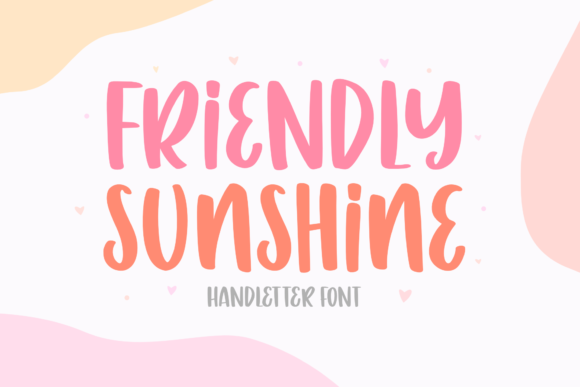
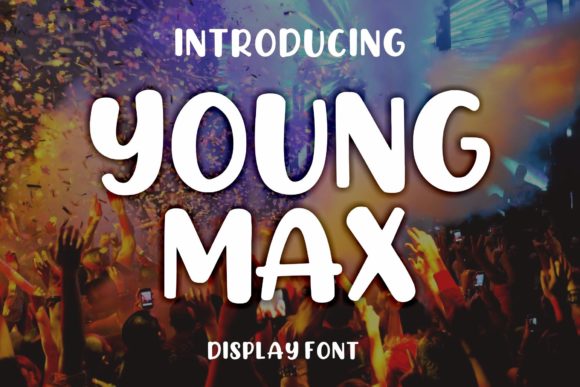
Young Max is a childish, easy-to-read font display that conveys impeccable friendliness. Its design mimics the handwriting of a young child, complete with uneven strokes, small loops, and an overall innocent charm. While this might sound like it could compromise legibility, the font’s creators have carefully balanced fun and clarity, ensuring it remains usable across a variety of platforms and applications.
- Playful Aesthetic: The whimsical nature of Young Max makes it ideal for designs targeting children, educational content, or brands with a youthful identity.
- High Readability: Despite its hand-drawn look, Young Max is surprisingly clean and easy to read at different sizes, especially when used for short text elements.
- Versatile Usage: It works well in both digital and print formats, though it shines brightest online where visual creativity is key.
Key Features of Young Max
One of the standout characteristics of Young Max is its ability to add personality without overwhelming the message. Here are some of the features that make it special:
- Character Consistency: Each letter maintains a similar style and weight, which helps keep the font visually cohesive even when used for longer phrases.
- Color-Friendly: The soft curves and open shapes allow for excellent contrast against various background colors, making it adaptable for vibrant designs.
- Unicode Support: With support for multiple languages and symbols, Young Max is suitable for international projects and diverse audiences.
Where Can You Use Young Max?
The flexibility of Young Max means it can be applied in many creative scenarios. Below are some of the most common use cases:
- Children’s Websites and Apps: The font naturally appeals to younger users and supports engaging, interactive environments.
- Marketing and Advertising: Brands aiming for a lighthearted, family-friendly image often choose Young Max to reflect their tone.
- Social Media Graphics: From Instagram posts to TikTok captions, Young Max adds a personal touch that stands out in crowded feeds.
- Print Materials: Invitations, greeting cards, and posters benefit from its friendly appearance, especially when targeting a younger demographic.
- Logo Design: For businesses with a creative or casual brand identity, Young Max offers a distinctive yet readable option for branding elements.
Who Benefits Most from Using Young Max?
While anyone can appreciate the aesthetic of Young Max, certain professionals and industries will find it particularly useful:
- Graphic Designers: Those looking to infuse a sense of playfulness into their work will love how Young Max complements illustrations, icons, and animations.
- Web Developers: When building sites for kids or educational platforms, this font enhances user experience through familiarity and comfort.
- Content Creators: Bloggers, vloggers, and influencers who want to create a warm and inviting atmosphere can use Young Max in titles and headers.
- Teachers and Educators: In classroom materials or e-learning resources, Young Max can help reduce intimidation and encourage curiosity.
- Small Business Owners: Especially those in retail, food service, or entertainment, can leverage the font to build a welcoming brand presence.
Real-World Applications of Young Max
To understand how Young Max performs in practice, let’s explore a few real-world examples:
Example 1: Educational App Interface
A popular learning app for preschoolers uses Young Max as the primary heading font. The choice was intentional — the font aligns with the target audience’s cognitive development and makes reading feel less intimidating. Parents and educators have praised the interface for being both functional and delightful.
Example 2: Branding for a Family Bakery
A local bakery wanted to convey a homey, kid-friendly vibe in its logo and packaging. They opted for Young Max to give their brand a more personable look. Customers responded positively, noting that the font made them feel nostalgic and comfortable, reinforcing the bakery’s community-focused image.
Example 3: Social Media Campaign for a Toy Company
In a recent campaign promoting a new line of toys, the company used Young Max in all of its promotional banners and hashtags. The font helped differentiate the ads from competitors’ more formal designs, leading to higher click-through rates and better audience engagement.
Strengths and Limitations of Young Max
No font is perfect for every situation, and understanding when to use Young Max is essential. Let’s break down its strengths and limitations to guide your decision-making process.
Strengths
- Approachable and Welcoming: The font’s playful style encourages interaction and makes content feel less formal.
- High Visual Appeal: It adds a layer of uniqueness and charm to otherwise standard layouts.
- Easy to Customize: With options for color, size, and spacing, Young Max can adapt to almost any design theme.
Limitations and Considerations
- Not Ideal for Long Text: Because it’s a display font, using Young Max for large blocks of body text may hinder readability and fatigue the reader.
- May Not Suit All Audiences: While great for children and casual contexts, it might not fit professional or formal settings like legal documents or financial reports.
- Accessibility Factors: Ensure proper contrast ratios and avoid overusing decorative styles if accessibility standards must be met.
Evaluating Whether Young Max Is Right for Your Project
If you’re considering using Young Max, here are a few questions to ask yourself:
- Who is my audience? If your content is aimed at children or families, Young Max is likely a good match.
- What is the purpose of the text? Use it for headings, logos, and short messages rather than long paragraphs.
- Does it align with the brand’s tone? If your brand values creativity, playfulness, or nostalgia, this font can reinforce that identity.
- Will it work across devices and platforms? Test the font on mobile screens, tablets, and desktops to ensure it looks good everywhere.
- Is it accessible? Always pair it with clear guidelines for contrast and size to meet web accessibility standards.
How to Access and Use Young Max
Using Young Max in your designs is straightforward. The font is available through several online platforms, including Google Fonts and Adobe Fonts. Simply select the font, embed it into your project, and adjust the styling to suit your needs.
Here’s a quick tip for developers and designers:
Once embedded, you can apply it via CSS like so:
body {
}
Remember to use it sparingly and always test it in context before finalizing a design.
Final Thoughts on Young Max
Fonts are more than just letters on a screen — they shape how people interact with your content. Young Max is a versatile and charming font that bridges the gap between formality and fun. Its neat design ensures that it remains a true favorite among those who value both aesthetics and usability.
When choosing fonts for your next project, consider what emotions you want to evoke and whether Young Max can help tell your story. As with any tool, its effectiveness depends on how well it fits your goals. By evaluating its strengths and limitations, you’ll be able to determine whether it’s the right choice for your needs.
Explore how Young Max can elevate your next design, and don’t forget to experiment with different applications to discover its full potential. Whether you're crafting a birthday invitation or redesigning a children’s website, this font might just become your go-to for friendly and engaging typography.