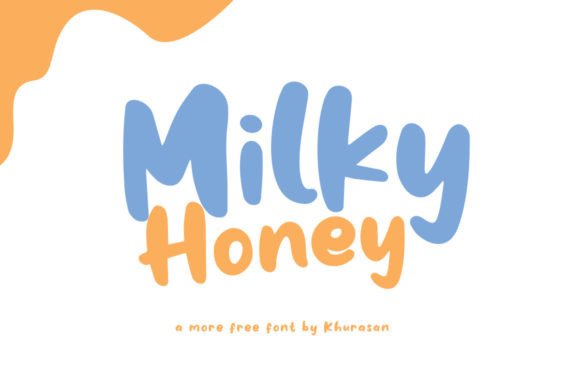
Milky Honey: A Modern Display Font for Creative Projects
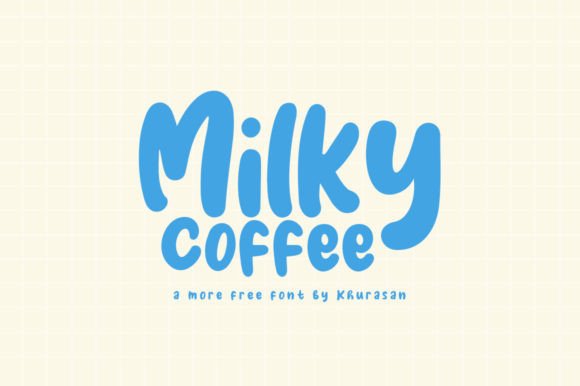
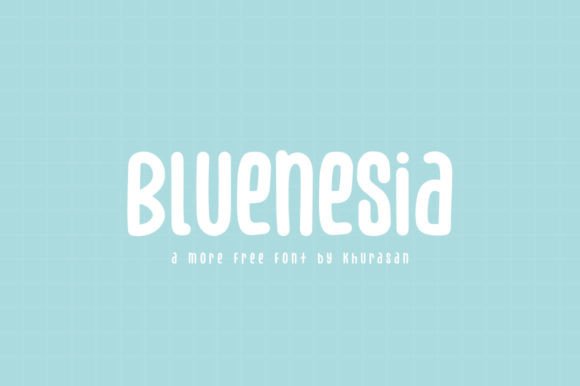
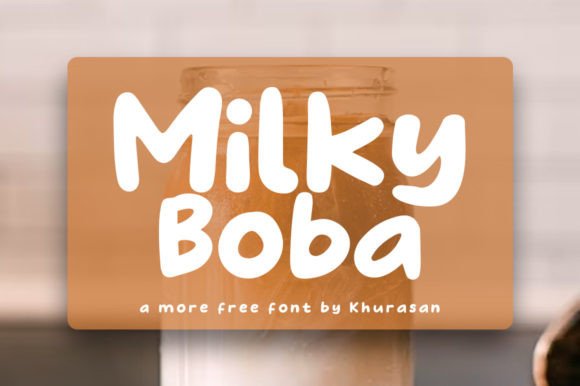
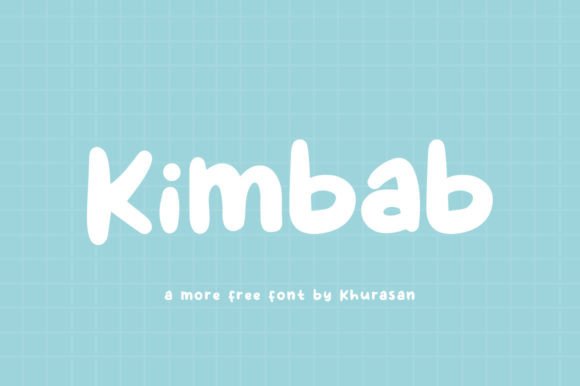
Milky Honey is a modern and fancy display font that has gained popularity among designers looking to add an elegant and eye-catching touch to their work. Designed with versatility in mind, this font is particularly well-suited for use in posters, logos, magazines, book covers, banners, and a variety of other design applications where visual impact is essential. Its unique character set and refined aesthetic make it a compelling choice for those who want to elevate the typographic elements of their projects.
Why Consider Milky Honey?
Designers often seek fonts that stand out without being overly complex. Milky Honey offers a balance between sophistication and readability, making it appealing for both digital and print media. The font’s soft curves and slightly irregular letterforms give it a handcrafted feel, while its clean lines ensure it remains legible at various sizes. This combination makes it especially attractive for branding, editorial design, and promotional materials where a personal yet professional look is desired.
Key Benefits of Using Milky Honey
- Visual Appeal: Milky Honey features a distinctive style that can help your designs capture attention and leave a lasting impression.
- Flexibility: It works well in a range of contexts, from large headline text to smaller body copy when used appropriately.
- Free Availability: As a freebie, it provides a cost-effective option for creatives on a budget or those looking to experiment with new styles.
- Modern Aesthetic: Its contemporary look aligns with current design trends, especially in lifestyle, fashion, and beauty sectors.
Tradeoffs and Limitations
While Milky Honey is a powerful tool for certain applications, it's not universally suitable. One key consideration is its use in long-form text. Because it is a display font—meant for short bursts of text—it may lack the consistency and spacing needed for extended paragraphs or dense reading material. If you're designing something like a website or a report, you might find that Milky Honey doesn't perform as well as more traditional serif or sans-serif typefaces.
Another limitation is its stylistic uniqueness. While this can be an advantage for creating standout visuals, it can also pose challenges when trying to maintain brand consistency across multiple platforms or when pairing with other fonts. Milky Honey may not always harmonize easily with complementary typefaces, so careful selection of supporting fonts is important.
When to Use Milky Honey
Milky Honey shines brightest in situations where typography is used as a design element rather than a means of conveying information alone. These include:
- Logo Design: Its elegance and distinctiveness can help create memorable and visually striking logos.
- Poster and Banner Designs: The font adds flair and personality to headlines and titles, which are crucial in attracting viewers.
- Magazine and Book Covers: Milky Honey can enhance the cover art by introducing a sense of luxury and creativity.
- Event Invitations and Promotional Materials: For special events or high-end products, the font contributes to a premium and artistic vibe.
When to Look for Alternatives
Despite its strengths, there are scenarios where Milky Honey may not be the best fit. If you need a font for:
- Web Body Text: Consider using more readable and scalable web-safe fonts or modern sans-serif options.
- Long Documents: Opt for fonts designed for extended reading, such as Georgia, Lato, or Open Sans.
- Formal Business Branding: In some cases, minimalist or more structured fonts may better represent a professional identity.
In these instances, exploring alternatives within the same category—other display or decorative fonts—could provide similar visual appeal while maintaining practicality for the intended use case.
How to Get Started with Milky Honey
If you decide Milky Honey aligns with your project goals, you can typically find it through design communities or font repositories online. Once downloaded, you’ll want to install it on your computer or upload it into your design software (such as Adobe Photoshop, Illustrator, or Figma). When working with this font, consider how it complements your color palette and imagery. Milky Honey tends to look best against neutral or dark backgrounds, allowing its intricate details to stand out.
It’s also wise to test the font in different formats and sizes before finalizing your design. This will help you determine if it maintains clarity and effectiveness across all platforms where it will appear.
Considerations for Effective Use
To get the most out of Milky Honey, keep the following tips in mind:
- Use Sparingly: Apply it to key visual elements rather than throughout the entire design. Overuse can dilute its impact.
- Pair Thoughtfully: Choose a secondary font that contrasts but complements Milky Honey. A simple sans-serif or a bold geometric typeface could serve as a good counterpart.
- Test Legibility: Especially in digital formats, ensure that the font is still clear and easy to read at the size it will be displayed.
- Respect Licensing: Even though Milky Honey is offered as a freebie, always verify the licensing terms to confirm it can be used commercially or for the specific purpose you have in mind.
Final Thoughts
Milky Honey is a valuable asset for designers aiming to infuse their projects with a touch of modern sophistication. Its adaptability to creative uses makes it ideal for logos, posters, and other attention-grabbing content. However, due to its nature as a display font, it should be evaluated carefully for each application to ensure it meets both aesthetic and functional requirements.
By considering your design context, audience expectations, and the role of typography in your overall layout, you can determine whether Milky Honey is the right choice for your needs. Remember, the goal is not just to select a beautiful font, but one that supports your message and enhances user experience. With thoughtful implementation, Milky Honey can become a go-to font for your next impactful design.